HMRC scraps paper VAT registration
From 13 November HMRC will abolish the paper VAT registration form. How will new applications be made from that date?
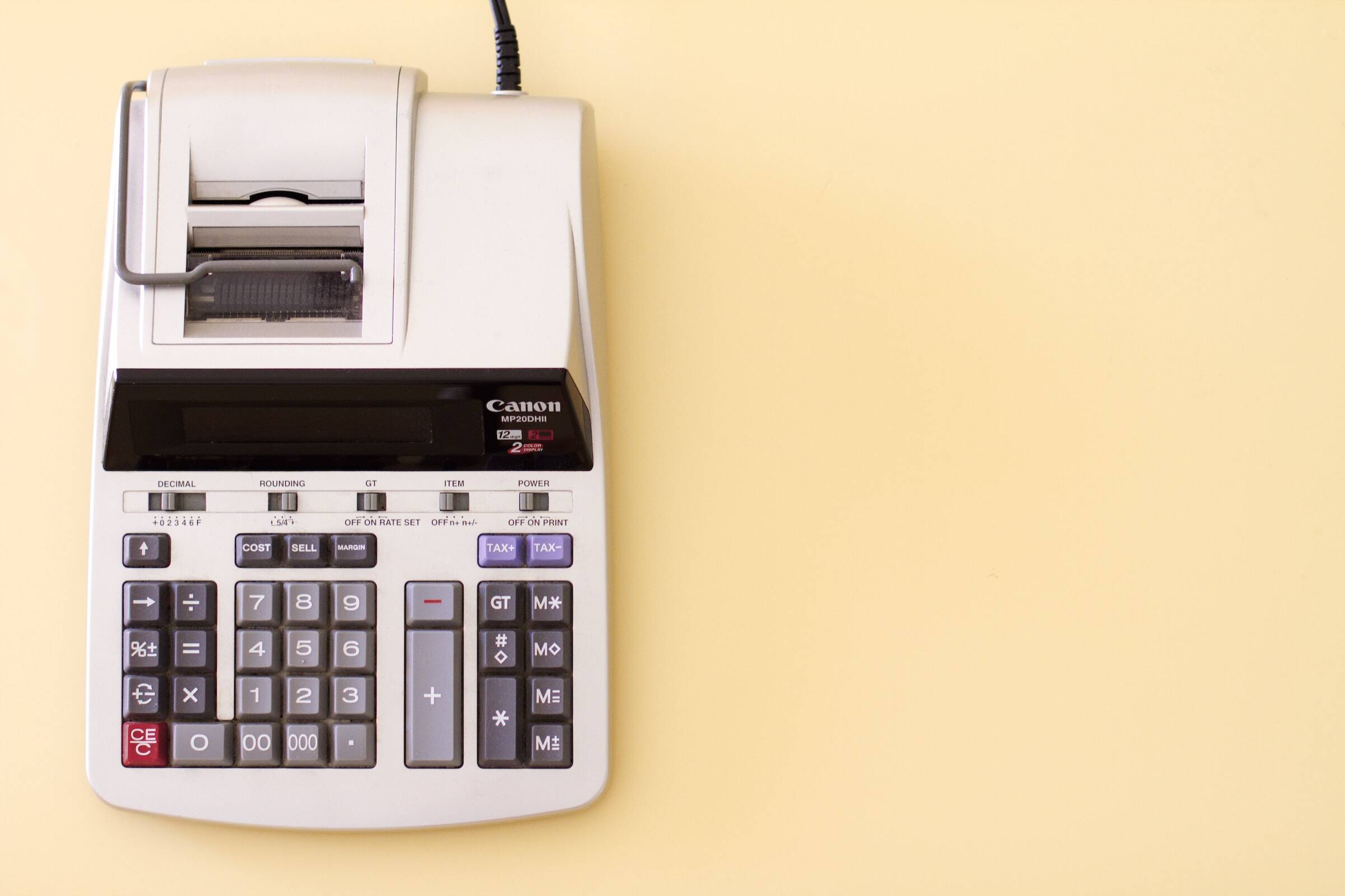
In another bid to encourage taxpayers to go digital, HMRC will scrap Form VAT1, which is currently used to apply for VAT registration by post. From 13 November, new VAT registrations will need to be completed using the online VAT registration service. It is hoped that this will speed up the processing of VAT registration, although currently only 80% of online applications are processed within 40 working days.
Businesses that are “digitally excluded” can still use the paper form but will need to call the VAT helpline and explain why they are unable to complete the registration online. Where such businesses are represented by an agent, the agent is still required to use the online VAT registration service. A minority of businesses, such as those without a UTR or non-UK partnerships, are not currently able to use the online VAT registration service, and should also call the VAT helpline to obtain a paper form. HMRC is working to include all businesses within the service and will cease to issue paper forms to them once this becomes possible.
Related Topics
-
Timetable for agent multi-factor authentication rollout published
HMRC has published further details of its plans to introduce multi-factor authentication (MFA) for tax agents. The rollout is intended to strengthen security across HMRC's online services and will be introduced in stages over the coming months. What do you need to know?
-
Using the EIS to unwind capital gains tax
You inherited shares from your father last year and sold them several months later making a tidy capital gain. You’ve read that the enterprise investment scheme (EIS) can defer the resulting tax bill, but how might it reduce it?
-
Electronic VAT return and payment due