IHT exemptions - when and how to use them
Naturally, you want to keep as much of your estate as possible from HMRC’s coffers and so increase the amount your beneficiaries will receive. What simple steps can you take now to achieve this?
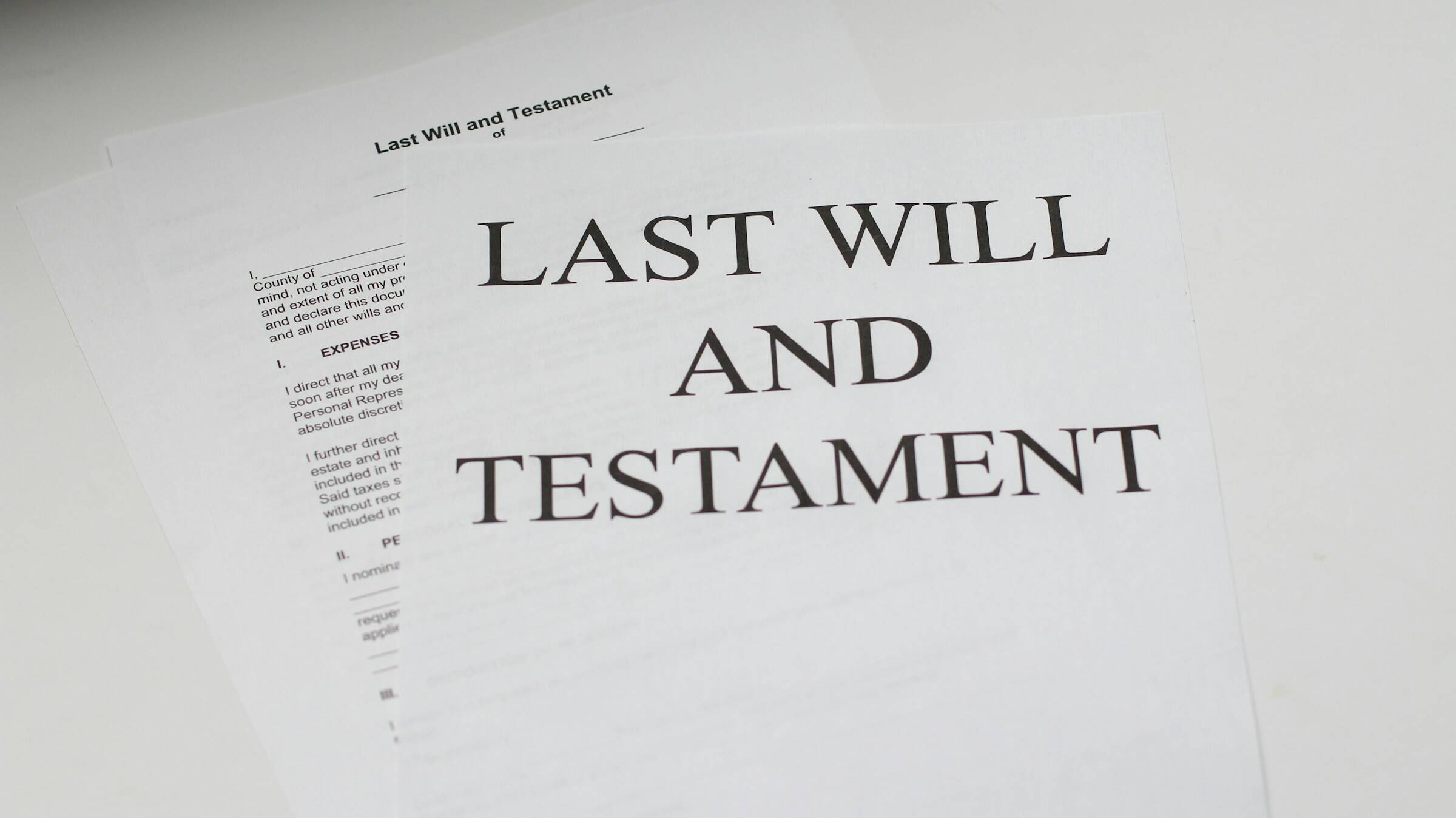
IHT compliance
Whether it’s a family member or a solicitor you appoint as your executor they’ll be responsible for completing the inheritance tax (IHT) forms for your estate. They are personally liable to penalties for any mistakes which result in too little IHT being paid. One of the trickiest forms they’ll have to cope with is IHT403. This requires your executors to report the value of gifts of money or assets you made within the seven years before your death.
The key to making sure your estate benefits from the IHT exemptions it’s entitled to is good record keeping. It will make your executors’ lives considerably easier and they’ll be less at risk of being penalised for mistakes. Keep a simple list of all gifts you make showing what, when and who you gave it to and its value. Make your executors aware that you’re doing this.
Annual exemption
Your executors aren’t required to report gifts made to individuals, charities or other organisations on IHT403 if for a tax year their value doesn’t exceed £3,000 in total. These are exempt from IHT.
While gifts valued in excess of £3,000 in total in the tax year should be reported on Form IHT403, they can utilise any unused part of the previous year’s annual exemption.
Example. Lucas makes a gift to his grandson of £10,000 in June 2024. He has not made any other gifts or IHT chargeable transfers for several years. £6,000 of the gift will be exempt from IHT, i.e. £3,000 relating to the 2024/25 annual exemption and £3,000 in respect of 2023/24.
Small gifts
Other gifts that your executors don’t need to report are those made to individuals which are worth no more that £250 per recipient per tax year. There is no limit on the number of gifts made.
The small gifts exemption can’t be used with the annual exemption, i.e. you can’t exempt gifts of up to £3,250 by adding the small gift and annual exemptions together. However, there’s another exemption that can allow you to give more than £3,000 in any year. While your executors need to report it on Form IHT403, it includes space specifically for claiming this IHT exemption .
Normal expenditure out of income
A series of gifts is exempt if, looking at two years together, it can be shown that your income was sufficient that the gift(s) could be funded from your net income without detrimentally affecting your standard of living and the gifts were part of your normal expenditure. That is, you made or intended to make them on a regular basis. The gifts should be in cash and not the transfer of assets, e.g. shares.
Gifts in consideration of marriage
The relationship between you and the recipient determines how much of a wedding gift is IHT exempt. The gift needn’t be in cash. Where the value of the gift exceeds the exempt amount, only the excess is subject to IHT.
Related Topics
-
Do dividend waivers still work?
You need to take a dividend from your company but there’s just one problem. Your business partner, who is also a 50% shareholder, doesn’t want to take any more income from the company during this tax year. What’s the solution?
-
Save tax by combining directors’ loan accounts
You started a company last year and it’s time to prepare its first accounts. Your director’s loan account (DLA) is in credit but your spouse’s is overdrawn. Might amalgamating the DLAs avoid or reduce a tax charge?
-
Give your children a cheap mortgage
Your son is struggling to get on the property ladder and current mortgage interest rates are making it harder. You’re over the inheritance tax (IHT) threshold but you’re reluctant to give him the money because you’ve heard horror stories about others losing half of it in a divorce. Is a family loan the solution for both of you?